Safe Mold Removal and Prevention
Mold Remediation Services in Greenwood for properties with visible mold growth, musty odors, or confirmed moisture problems
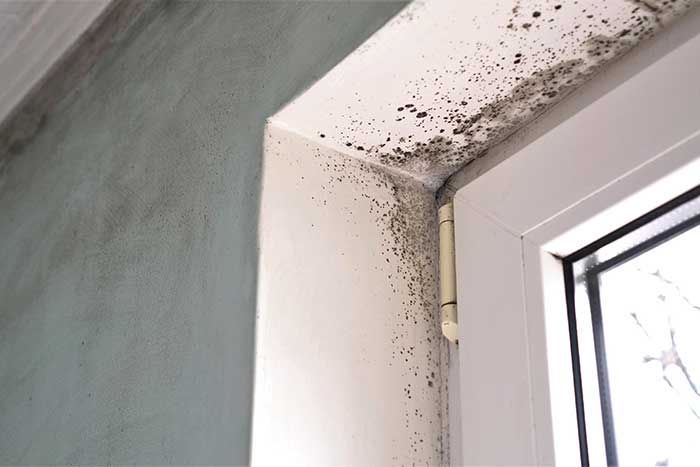
Mold colonies release spores continuously once established, spreading contamination through air movement and creating health risks for occupants with allergies or respiratory sensitivities. Effective remediation requires more than cleaning visible growth—it demands containment to prevent cross-contamination, removal of colonized materials, air filtration during the process, and moisture control to prevent regrowth. A1 Restoration follows industry protocols for mold remediation in Greenwood, treating the underlying moisture problem while safely removing contaminated materials.
Inspection identifies mold extent and moisture sources through visual examination, moisture mapping, and air quality testing when appropriate. Bathroom exhaust failures, roof leaks, foundation seepage, and HVAC condensation all create conditions where mold thrives. We establish containment barriers with plastic sheeting and negative air pressure to prevent spores from spreading to clean areas during removal work. HEPA filtration captures airborne spores that disturbance releases, protecting both workers and unaffected areas of the building.
Schedule a mold inspection to identify contamination extent and determine the remediation approach your property requires.
What Happens During Professional Mold Removal
Remediation removes porous materials like drywall and insulation that mold has colonized, since cleaning cannot reliably eliminate growth from fibrous substrates. Non-porous surfaces like framing lumber receive HEPA vacuuming followed by antimicrobial treatment. Removal generates dust and spore release, making respiratory protection and contained work areas essential. We bag contaminated materials in sealed containers before transport through the building to prevent spreading spores to clean zones.
After remediation, you notice the musty smell disappears as active mold stops releasing volatile organic compounds, visible growth no longer appears on previously affected surfaces, and air quality improves for occupants who had been experiencing irritation. Post-remediation verification uses clearance testing to confirm spore counts have returned to normal outdoor baseline levels, proving the space is safe for reoccupancy.
Moisture control solutions address the conditions that allowed mold growth initially—repairing leaks, improving ventilation, adding dehumidification, or correcting drainage problems. Without moisture correction, mold returns even after thorough remediation. We document moisture sources, explain how each contributes to the problem, and recommend permanent solutions that prevent recurrence.
Questions Before Starting Your Project
Property owners facing mold problems need to understand what remediation involves and how to prevent future growth.
What moisture levels allow mold growth?
Relative humidity above 60 percent or materials with moisture content exceeding 16 percent create conditions where mold spores germinate and colonies establish within 24 to 48 hours.
Why does containment matter during mold removal?
Disturbing mold releases millions of spores that air currents spread throughout the building, contaminating previously clean areas if containment and negative pressure don't isolate the work zone.
What building materials require replacement?
Porous materials like drywall, ceiling tiles, insulation, and carpeting that show mold growth need replacement since spores penetrate too deeply for surface cleaning to eliminate.
How is air quality verified after remediation in Greenwood?
Post-remediation air sampling compares indoor spore counts to outdoor baseline levels, confirming that remediation reduced contamination to normal background levels found in mold-free buildings.
What prevents mold from returning?
Controlling indoor humidity below 50 percent, repairing water intrusion sources, ensuring proper ventilation in bathrooms and kitchens, and addressing condensation issues all create conditions hostile to mold growth.
A1 Restoration combines safe mold removal with moisture problem solving to protect both property value and occupant health. Contact us to begin with professional inspection and customized remediation planning.